

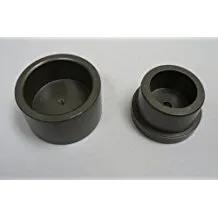
How to Choose the Right Heater Adapter Set for Socket Fusion
Socket fusion is a widely used method for joining thermoplastic pipes and fittings. It creates a strong connection by heating the outside surface of the pipe and the inside surface of the fitting before bringing them together. To achieve consistent results, having the right equipment is essential. One of the important components used with socket fusion equipment is a Heater Adapter Set.
Choosing the correct Heater Adapter Sets involves more than simply selecting an adapter that appears to fit the pipe. Pipe size, sizing system, material, fitting type, and compatibility with the heating tool should all be considered before making a selection. Using the appropriate adapter can help support proper heating and make the fusion process more consistent.
What Is a Heater Adapter Set?
A heater adapter set consists of specially designed heating components that attach to a socket fusion heater. The adapters are used to heat the mating surfaces of the pipe and fitting to the temperature required for fusion.
During socket fusion, the pipe is inserted into one side of the heated adapter while the fitting is placed over the corresponding side. Once the surfaces reach the appropriate heating condition, the pipe and fitting are removed from the heater and joined together.
A Socket Fusion Heater Adapter should match the pipe and fitting dimensions being fused. The correct fit helps ensure that the surfaces are heated appropriately before the connection is assembled.
Why Choosing the Right Heater Adapter Sets Matters
Different thermoplastic piping systems are available in multiple sizes and sizing standards. As a result, heater adapters are not universal for every pipe and fitting.
Selecting the appropriate Heater Adapter Sets can help you:
Match the heater to the required pipe size
Maintain proper contact between the heating surfaces
Support consistent heating during fusion
Work with the correct pipe sizing system
Avoid using incompatible adapters
Improve consistency across repeated fusion connections
The adapter should always be selected according to the specifications of the pipe, fitting, and fusion equipment being used.
1. Check the Pipe Size
The first factor to consider when selecting a Heater Adapter Set is pipe size.
Socket fusion tools are available for different pipe dimensions, so the adapter must correspond to the outside diameter or sizing specification required by the piping system. For example, an adapter intended for a smaller pipe should not be substituted for an adapter designed for a larger pipe.
Before purchasing or using an adapter set, verify:
Pipe size
Fitting size
Outside diameter requirements
Manufacturer specifications
Fusion equipment compatibility
Checking these details before beginning a project can help prevent compatibility problems.
2. Determine Whether You Need IPS or CTS
Another important consideration is the pipe sizing system. Two common sizing systems for certain plastic piping are IPS and CTS.
An IPS Heater Adapter Set is designed for pipe that follows Iron Pipe Size dimensions, while a CTS Heater Adapter Set is intended for Copper Tube Size dimensions.
Although the nominal size may appear similar, the actual dimensions can differ between sizing systems. Therefore, an IPS adapter should not automatically be used with CTS pipe simply because the stated pipe size looks the same.
When selecting your adapter, confirm whether the piping system uses:
IPS sizing
CTS sizing
Metric sizing
Another manufacturer-specified dimensional standard
This simple check can help ensure the adapter corresponds to the pipe and fitting being joined.
3. Consider the Pipe Material
Pipe material is another important factor when choosing a Socket Fusion Heater Adapter.
Thermoplastic piping systems can be manufactured from different materials, including polypropylene and PVDF. These materials can have different fusion requirements and may require compatible heating equipment and accessories.
For projects involving polypropylene or PVDF piping, verify that the adapter set is designed for the specific material and application requirements.
A PP/PVDF Heater Adapter Set can be useful when the fusion equipment and adapter configuration are intended for these materials. Always follow the pipe and fitting manufacturer's recommended fusion procedures.
4. Verify Heater Compatibility
Not every adapter set is designed to work with every heating tool. Before selecting an adapter, check whether it is compatible with the heater you plan to use.
Consider factors such as:
Heater model
Adapter attachment method
Adapter size
Heating surface configuration
Manufacturer specifications
The adapter should attach securely to the heater and provide the appropriate heating surfaces for the pipe and fitting.
Using a compatible adapter can make the setup easier and help maintain consistent heating throughout the fusion process.
5. Choose the Correct Adapter Configuration
Heater adapters are commonly designed to heat the outside of a pipe and the inside of a fitting at the same time. The configuration of the adapter should correspond to the pipe and fitting dimensions.
When reviewing a Heater Adapter Set, check whether the set includes the components needed for the intended fusion connection.
For example, some sets may be designed for a specific pipe size, while others may provide a combination of components for a particular fusion setup. Review the product specifications carefully to understand what is included before purchasing.
6. Consider the Type of Fusion Project
The right adapter can also depend on the type of project you are completing.
Socket fusion may be used in different thermoplastic piping installations, including plumbing, water systems, geothermal work, HVAC-related piping, and other applications where compatible thermoplastic pipe and fittings are specified.
The operating environment, pipe material, pipe size, and fitting type should all be considered when selecting the appropriate equipment.
Instead of choosing an adapter based only on the appearance of the tool, use the pipe and fitting specifications as the starting point.
7. Follow the Manufacturer's Fusion Procedure
Choosing the correct Heater Adapter Sets is only one part of producing a proper socket fusion connection. The fusion process should also follow the manufacturer's recommended procedure.
This generally includes preparing the pipe and fitting, heating the appropriate surfaces, observing the required heating procedure, and joining the components correctly.
The specific heating time, temperature, insertion depth, and cooling requirements can vary depending on the pipe material, size, and manufacturer's instructions.
Always refer to the applicable pipe and fitting manufacturer's recommendations before beginning work.
8. Keep Adapter Surfaces Clean
Proper maintenance is important for maintaining consistent performance from socket fusion equipment.
Before using a Socket Fusion Heater Adapter, inspect the heating surfaces and make sure they are clean and free from contamination. Material buildup or debris on the heating surface can affect contact with the pipe or fitting.
Adapters should be handled carefully to avoid damaging their heating surfaces or protective coatings. Follow the equipment manufacturer's cleaning and maintenance recommendations.
Regular inspection can also help identify signs of wear or damage before the equipment is used on a project.
9. Select the Adapter Based on Your Complete Setup
A common mistake is selecting a heater adapter based only on the pipe's nominal size. A better approach is to evaluate the complete fusion setup.
Before selecting an adapter, confirm:
Pipe material
Pipe size
Fitting size
Sizing system
Heater model
Adapter compatibility
Manufacturer fusion requirements
For example, if a project uses CTS pipe, the appropriate CTS adapter should be selected rather than choosing an IPS adapter based solely on the nominal size.
Similarly, projects involving PP or PVDF should use compatible equipment and adapters specified for those materials.
Common Mistakes to Avoid
Several mistakes can make heater adapter selection more difficult. Avoid these common issues:
Choosing the Wrong Sizing Standard
Do not assume that IPS and CTS adapters are interchangeable. Always verify the actual pipe sizing system.
Ignoring Pipe Material
Different thermoplastic materials can have different fusion requirements. Confirm that the adapter and heating equipment are suitable for the material being used.
Using an Incompatible Heater
An adapter may have the correct pipe size but still be unsuitable for a particular heater. Check equipment compatibility before use.
Selecting Only by Nominal Size
Nominal pipe size does not always tell the complete story. Verify the dimensions and specifications required for the specific piping system.
Neglecting Maintenance
Dirty or damaged adapter surfaces can affect the fusion process. Inspect and maintain the equipment according to the manufacturer's instructions.
Final Thoughts
Selecting the right Heater Adapter Sets is an important step when preparing for socket fusion. The correct adapter should match the pipe size, sizing system, material, fitting, and heating equipment being used.
Whether you need an IPS Heater Adapter Set, CTS Heater Adapter Set, or PP/PVDF Heater Adapter Set, checking compatibility before starting the fusion process can help create a more consistent setup.
For professional thermoplastic pipe fusion, choosing the right equipment and following the appropriate manufacturer procedures are key parts of preparing reliable connections. By considering pipe dimensions, material, heater compatibility, and adapter configuration, you can select a heater adapter set that fits the requirements of your specific fusion project.
GeoThermal Tools, Inc. provides Heater Adapter Sets and pipe fusion equipment designed for different thermoplastic pipe fusion requirements. Review the available sizes and specifications to select the equipment appropriate for your project.