

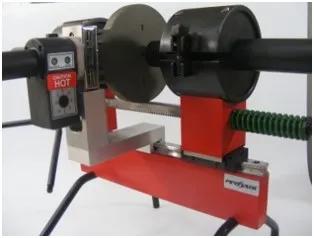
Choosing the right butt fusion machine is an important decision when working with HDPE and other compatible thermoplastic pipes. The machine you select can affect pipe alignment, fusion consistency, workflow efficiency, and the quality of finished joints. With different machine sizes, operating methods, pipe ranges, heating systems, and configurations available, it is important to understand the key factors before making a purchase.
A reliable HDPE butt fusion machine should match the pipe sizes, material, working conditions, and fusion requirements of your project. Whether you are replacing an existing machine or purchasing HDPE pipe welding equipment for the first time, this buying guide covers seven factors worth considering.
1. Check the Compatible Pipe Size Range
One of the first things to consider when buying a butt fusion machine is the range of pipe sizes it can accommodate.
Butt fusion machines are designed for specific pipe diameter ranges. Some equipment is intended for smaller pipe sizes, while larger machines are built for bigger-diameter HDPE pipe. Selecting a machine that does not match the pipe sizes you regularly work with can limit its usefulness.
Before purchasing, identify:
The smallest pipe diameter you need to fuse
The largest pipe diameter you need to fuse
The pipe sizes used most frequently
Whether future projects may require additional pipe sizes
For example, a contractor working primarily with smaller-diameter pipe may not need a large industrial machine. On the other hand, projects involving larger HDPE pipe require equipment with suitable clamps, alignment capability, heating capacity, and mechanical strength.
Checking the manufacturer's stated pipe range is therefore an essential part of any butt fusion machine buying guide.
2. Consider the Pipe Material
The next factor is the type of thermoplastic pipe you plan to fuse.
HDPE pipe fusion is one of the most common uses for butt fusion equipment, but compatible materials can vary depending on the machine, tooling, heating system, and manufacturer's specifications.
Before purchasing a butt fusion welding machine, verify that it is designed for the pipe materials used in your projects. Depending on the equipment, it may be suitable for HDPE, polypropylene, or other compatible thermoplastics.
Different materials can have different processing characteristics, including heating and cooling requirements. For this reason, you should always follow the pipe manufacturer's fusion procedures and the equipment manufacturer's instructions.
Choosing equipment based on the actual pipe material helps ensure that the machine is appropriate for your intended pipe fusion work.
3. Review the Machine Specifications
A machine's technical specifications provide important information about how it is designed to operate.
When comparing butt fusion machine specifications, look at factors such as:
Power requirements
Heating plate specifications
Temperature range or control
Pipe diameter range
Clamp configuration
Machine dimensions
Weight
Operating mechanism
Available accessories
Power cable and plug configuration
The heating system is particularly important because the heating plate must provide appropriate and consistent heat across the pipe ends being joined.
Temperature control is another important consideration. A controlled heating system can help operators follow the required fusion procedure more consistently.
It is also useful to consider the machine's physical dimensions and weight. Equipment that is too large or heavy for your typical work environment may be difficult to transport and set up.
The right specifications depend on the pipe sizes and working conditions rather than simply choosing a machine with the largest capacity.
4. Choose the Right Machine Configuration
Butt fusion machines can have different configurations and operating mechanisms. The appropriate configuration depends on the pipe sizes, work environment, and type of projects you perform.
Some machines use manual operating mechanisms, while others use hydraulic systems or other assisted methods. The clamping and alignment design can also vary.
When comparing a manual vs. hydraulic butt fusion machine, consider the type of work being performed, pipe size, required operating control, transportation requirements, and available workspace.
For smaller or more mobile work, a compact configuration may be practical. Larger pipe fusion projects may require equipment designed for greater mechanical capacity and controlled movement.
The important point is to select a configuration that fits your actual workflow. A machine that is technically capable but difficult to transport or operate in your working environment may not be the most practical choice.
5. Look at Alignment and Clamping Features
Proper pipe alignment is an important part of butt fusion welding.
During the fusion process, the pipe ends need to be positioned and held correctly before the heating and joining stages. The machine's clamps help secure the pipe while the operator performs the required preparation and fusion steps.
When evaluating an HDPE pipe fusion machine, consider:
Clamp design
Pipe holding capacity
Alignment features
Stability during operation
Ease of securing the pipe
Accessibility for pipe preparation
A stable clamping system can make pipe preparation and joining more manageable. The machine should hold compatible pipe securely while allowing the operator to perform the required fusion procedure.
The exact alignment and clamping requirements will depend on the machine design and pipe sizes. Always review the manufacturer's specifications before purchasing.
6. Consider Portability and Jobsite Requirements
Not every pipe fusion project takes place in the same environment. Some work may be performed in a controlled shop or fabrication area, while other projects may require equipment to be transported between jobsites.
For mobile work, portability can become an important purchasing factor.
Consider:
Overall machine weight
Machine dimensions
Carrying or transport features
Power availability
Setup requirements
Available workspace
Jobsite conditions
A compact pipe fusion machine may be easier to transport and position when working in locations with limited space. Larger equipment can provide additional capacity but may require more planning for transportation and setup.
Think about how the machine will actually be moved and used rather than considering specifications in isolation.
7. Evaluate Accessories, Support, and Warranty
The machine itself is only one part of a complete butt fusion equipment setup. Depending on the model and project requirements, additional components may be needed for pipe preparation, heating, alignment, or operation.
Before purchasing, check what is included with the machine and what must be purchased separately.
Potential considerations include:
Heating plate
Pipe clamps
Facing or trimming equipment
Alignment components
Replacement parts
Storage or transport equipment
Operating instructions
Additional tooling
It is also worth checking the manufacturer's warranty and available technical support. A clear warranty can provide information about the manufacturer's coverage, while accessible documentation can help operators understand equipment setup and maintenance requirements.
For professional contractors, replacement parts and long-term equipment support can also be important considerations.
Understanding the Butt Fusion Process
Knowing how a butt fusion machine is used can make it easier to compare different models.
In a typical HDPE pipe butt fusion process, compatible pipe ends are secured in the machine and aligned. The pipe ends are then prepared so that they can be brought together correctly. A heated plate is used to heat the pipe ends to the required fusion condition. After the heating stage, the plate is removed and the pipe ends are brought together under the specified joining conditions.
The joint is then allowed to cool according to the appropriate procedure.
The exact temperature, pressure, heating time, joining time, and cooling requirements depend on factors such as pipe material, pipe dimensions, wall thickness, and applicable fusion procedures.
Because these parameters can vary, operators should always use the manufacturer's instructions and applicable industry guidance rather than relying on general numbers from another project.
Common Mistakes When Buying a Butt Fusion Machine
Understanding common purchasing mistakes can help narrow down your options.
Choosing Based Only on Price
The lowest purchase price does not necessarily represent the most suitable equipment. Consider pipe compatibility, capacity, specifications, construction, support, and long-term usability.
Ignoring Pipe Diameter
A machine should match the pipe sizes you actually need to fuse. Always check the manufacturer's specified pipe range.
Overlooking Power Requirements
Make sure the available electrical supply is compatible with the machine's requirements. This is particularly important when equipment will be used at different jobsites.
Forgetting Portability
If the machine will frequently be transported, consider its weight, dimensions, and setup requirements before purchasing.
Not Checking Included Equipment
Compare what is included with each machine. Two machines with similar descriptions may have different included components or accessories.
How to Choose the Right Butt Fusion Machine
The best way to approach a butt fusion machine buying guide is to start with your actual project requirements.
First, determine the pipe material and diameter range. Next, review the machine's specifications, heating system, clamping arrangement, operating configuration, power requirements, and portability.
Then consider the working environment and frequency of use. A machine used regularly by professional contractors may have different requirements from equipment intended for occasional projects.
Finally, review the manufacturer's warranty, documentation, replacement parts, and available support.
Final Thoughts
Selecting the right HDPE butt fusion machine requires more than comparing prices or choosing the largest available model. Pipe size, material compatibility, machine specifications, configuration, clamping and alignment features, portability, accessories, and manufacturer support all deserve consideration.
By evaluating these seven factors before purchasing, contractors and pipe professionals can identify butt fusion equipment that fits their specific requirements and working conditions.
For reliable pipe joining, the machine should be compatible with the pipe system and used according to the manufacturer's recommended fusion procedures. Taking the time to evaluate the equipment before purchase can help create a more practical and consistent pipe fusion workflow.