

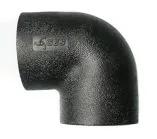
Proper maintenance of Socket Fusion Fittings and fusion equipment is essential for achieving consistent, reliable pipe joints. Regular cleaning, inspection, and correct storage can help extend equipment life and reduce the risk of poor fusion results. For professionals using socket fusion tools regularly, a simple maintenance routine can make a significant difference in equipment performance.

GeoThermal Tools, Inc. provides socket fusion tools, heater adapter sets, fittings, and related equipment designed for thermoplastic pipe fusion applications. Understanding how to care for these components can help contractors and installers maintain efficient and dependable operations.
Why Is Maintenance Important?
Socket fusion equipment works with controlled heat to join thermoplastic pipe and fittings. The heating surfaces must remain clean and in good condition so that heat can transfer consistently to the pipe and fitting.
ASTM F1056 covers socket fusion tools used for joining polyethylene pipe, tubing, and fittings and includes requirements for heater faces and their condition.
Poorly maintained equipment may lead to uneven heating, contamination, damaged surfaces, or inconsistent fusion joints. Regular maintenance helps prevent these problems before they affect an installation.
1. Keep Heater Adapters Clean
One of the most important maintenance tasks is cleaning the Socket Fusion Heater Adapter after use. Plastic residue can remain on the heating surfaces and affect future fusion work.
Use a clean, dry, lint-free, non-abrasive cloth to remove residue from heater surfaces. Avoid using sharp metal tools or abrasive materials that can scratch or damage the non-stick coating. Damaged or worn heating surfaces may require replacement or recoating.
Keeping Heater Adapter Sets clean helps maintain consistent contact and heat transfer during the fusion process.
2. Inspect Socket Fusion Fittings
Before using Socket Fusion Fittings, inspect them for visible damage, deformation, contamination, or other defects. Pipe and fittings should be clean and dry before fusion.
Also check that the fitting and pipe are compatible in size and material. A damaged or incorrectly sized fitting should not be used because it can affect alignment and joint quality.
Regular inspection is particularly important when fittings and tools are being transported between different job sites.
3. Check Heater Temperature
Correct temperature is essential for successful socket fusion. The heating surface should reach the temperature recommended by the pipe, fitting, and equipment manufacturer.
Temperature should be verified periodically using an appropriate temperature-measuring device when required. Uneven temperatures or cold spots can indicate that the heating tool needs inspection or servicing.
Never rely only on appearance to determine whether a heater is operating correctly.
4. Inspect Fusion Equipment Regularly
In addition to heater adapters, inspect the complete Socket Fusion Equipment regularly. Check electrical cables, plugs, handles, temperature controls, adapter connections, and other components for visible wear or damage.
If equipment does not operate correctly, remove it from service and follow the manufacturer's service recommendations rather than continuing to use potentially faulty equipment.
A well-maintained Socket Fusion Tool can help improve productivity while reducing unexpected equipment problems on the job.
5. Store Equipment Properly
Proper storage is another important part of maintenance. After equipment has completely cooled, store heater adapters, socket fusion tools, fittings, and accessories in a clean, dry location.
Protect heater surfaces from scratches, moisture, dirt, and impact. Keeping Socket Fusion Tools organized in a protective case or storage system can also make it easier to locate the correct adapter or accessory when needed.
6. Follow Manufacturer Recommendations
Every fusion tool and fitting system can have specific operating and maintenance requirements. Always follow the manufacturer's instructions for cleaning, temperature settings, inspection, storage, and servicing.
For example, socket fusion procedures emphasize keeping pipe and fitting surfaces clean and dry and ensuring that heating faces are in good condition before beginning a fusion operation.
Final Thoughts
Maintaining Socket Fusion Fittings and fusion equipment does not have to be complicated. Regular cleaning, inspection, temperature verification, proper storage, and following manufacturer recommendations can help keep your equipment ready for reliable use.
For contractors and professionals working with thermoplastic piping systems, quality Socket Fusion Equipment, Socket Fusion Heater Adapters, Heater Adapter Sets, and fittings are important parts of an effective fusion setup. With proper care and maintenance, equipment from GeoThermal Tools, Inc. can support consistent socket fusion work across a variety of applications.