

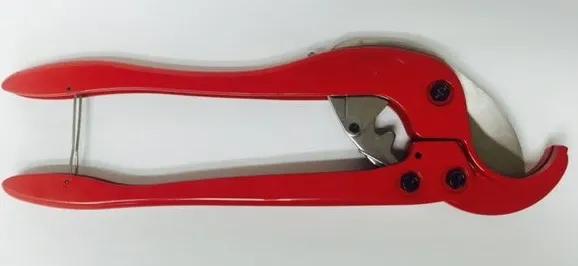
When working with plastic piping systems, achieving a clean, accurate cut is an important part of the installation process. Whether you are preparing HDPE, PE, PP, or other thermoplastic pipes, the quality of the cut can affect the efficiency of fitting, joining, and fusion operations. Choosing the right Pipe Cutter can help professionals save time, improve accuracy, and achieve more consistent results.

A suitable Pipe Cutting Tool should match the pipe material, diameter, application, and working environment. With many options available, selecting the right tool can sometimes be challenging. Features such as cutting capacity, blade quality, ease of use, portability, and durability should all be considered before making a purchase.
At GeoThermal Tools, Inc, selecting dependable equipment is essential for professionals working with plastic pipe installation and fusion applications. Below are five important factors to consider when buying a Pipe Cutter.
1. Consider the Pipe Material and Type
The first factor to consider when purchasing a Pipe Cutter is the type of pipe you need to cut. Different pipe materials can have different cutting characteristics, so a tool designed for one application may not provide the best performance for another.
Plastic piping systems commonly use materials such as:
HDPE (High-Density Polyethylene)
PE (Polyethylene)
PP (Polypropylene)
Other thermoplastic materials
For professionals working with HDPE piping, an HDPE Pipe Cutter should be designed to produce a clean and controlled cut without unnecessarily deforming the pipe.
A quality Plastic Pipe Cutter can make pipe preparation easier by providing a consistent cutting action. This is particularly important when pipes will later be connected using fusion or mechanical joining methods.
Before buying a Plastic Pipe Cutting Tool, check the manufacturer's recommendations and confirm that the tool is suitable for your specific pipe material. Using the correct equipment can help reduce cutting problems and improve overall installation efficiency.
2. Check Pipe Size and Cutting Capacity
Pipe diameter is another major consideration when choosing a Pipe Cutter Tool. Pipe cutters are available in different designs and sizes, and each tool has a specific cutting capacity.
Before purchasing, determine the range of pipe diameters you regularly work with. A cutter that is too small may not accommodate larger pipes, while an unnecessarily large tool may be difficult to handle for smaller applications.
Consider the following questions:
What pipe diameters will you be cutting?
Do you work with multiple pipe sizes?
Will the tool be used for small installation projects or large infrastructure applications?
Does the cutter provide sufficient cutting capacity for your requirements?
If your projects involve several pipe sizes, choosing a versatile Pipe Cutting Equipment option may provide greater flexibility. A tool that accommodates a suitable range of diameters can reduce the need to purchase multiple specialized cutters.
For contractors and installation professionals, matching the cutter's capacity to the project's requirements is an important step toward efficient pipe preparation.
3. Look for Clean and Accurate Cutting Performance
Cut quality is one of the most important characteristics of a Pipe Cutting Tool. A cutter should be capable of producing a clean, controlled cut with minimal deformation.
An uneven or poorly prepared pipe end can make subsequent installation processes more difficult. For applications involving pipe fusion, proper preparation of the pipe ends is particularly important because the surfaces need to be correctly aligned and prepared before joining.
A reliable HDPE Pipe Cutting Tool should help users achieve repeatable results while minimizing unnecessary damage to the pipe.
When evaluating cutting performance, look for features such as:
Sharp and durable cutting components
Stable pipe positioning
Controlled cutting action
Consistent results
Minimal pipe deformation
Suitable cutting capacity
Accurate cutting can also help improve workflow. Instead of spending additional time correcting an uneven cut, installers can move more efficiently to the next stage of pipe preparation.
For professionals who regularly perform Plastic Pipe Installation, dependable cutting accuracy can contribute to better overall productivity.
4. Evaluate Durability and Tool Construction
A Pipe Cutter used on job sites needs to withstand repeated use. Construction quality is therefore another factor that should not be overlooked.
Professional installers may use their tools frequently and in demanding environments. A cutter made from durable materials can provide better long-term reliability than a tool designed only for occasional light-duty use.
When evaluating a Pipe Cutting Tool, consider:
Overall construction quality
Durability of cutting components
Resistance to wear
Handle and grip design
Quality of moving components
Ease of maintenance
Replacement component availability
A durable Pipe Cutting Equipment solution can help reduce interruptions caused by premature tool wear. It can also provide greater value over time, especially for contractors who use pipe cutting tools regularly.
However, durability should not be considered separately from application. A heavy-duty cutter may be ideal for demanding professional environments, while a smaller tool may be more practical for lighter applications. The best choice depends on the type and frequency of work being performed.
5. Consider Portability and Ease of Use
Pipe installation projects do not always take place in a convenient workshop environment. Professionals may need to transport tools between job sites or work in areas where space is limited.
For this reason, portability and ergonomics are important when selecting a Plastic Pipe Cutter.
A practical cutter should be comfortable to handle and easy to transport. Features such as a compact design, comfortable grip, manageable weight, and convenient storage can make a difference during long installation projects.
Ease of use is also important. A tool that is difficult to operate can slow down the workflow and increase user fatigue. When several pipes need to be prepared, a simple and efficient cutting process can help installers maintain productivity.
Before purchasing an HDPE Pipe Cutter, consider the working environment in which it will be used. If the tool will frequently travel between locations, portability may be a higher priority. If it will primarily be used in a workshop or fabrication facility, durability and cutting capacity may take greater importance.
Why Choosing the Right Pipe Cutter Matters
A Pipe Cutter may seem like a basic tool, but it plays an important role in pipe preparation. The cutting stage can influence how efficiently the pipe moves through the rest of the installation process.
A suitable cutter can help professionals:
Produce more consistent pipe ends
Improve cutting efficiency
Reduce preparation time
Support proper pipe alignment
Minimize unnecessary pipe damage
Improve overall workflow
Prepare pipes for joining and fusion applications
For HDPE and other thermoplastic piping systems, proper preparation is particularly important. Clean and consistent pipe ends can make subsequent processes more efficient and help installers maintain a professional standard of workmanship.
Pipe Cutter vs. Other Cutting Methods
Professionals may have several options for cutting plastic pipe, including saws, specialized cutting equipment, and dedicated pipe cutters. While different methods can work depending on the application, a dedicated Pipe Cutting Tool offers advantages when consistent and controlled cuts are required.
A general-purpose saw may be useful in certain situations, but it can require additional preparation to achieve the desired finish. A purpose-built Plastic Pipe Cutting Tool, on the other hand, is specifically designed for pipe-cutting applications.
The best method ultimately depends on pipe size, material, project requirements, and the level of accuracy needed.
Tips for Getting the Most from Your Pipe Cutting Tool
Once you select the appropriate Pipe Cutter, proper use and maintenance can help maintain performance.
Inspect the Tool Before Use
Check the cutting components and moving parts before beginning work. Look for visible damage, excessive wear, or anything that could affect the cutting process.
Keep Cutting Components in Good Condition
A worn cutting component can affect cut quality and increase the effort required to cut the pipe. Follow the manufacturer's maintenance recommendations and replace components when necessary.
Secure the Pipe Properly
Proper pipe positioning can help improve cutting accuracy. Make sure the pipe is adequately supported and stable before cutting.
Follow Manufacturer Guidelines
Always follow the operating instructions provided with the Pipe Cutter. The correct procedure can vary depending on the design and application of the equipment.
Select the Correct Tool for the Job
Avoid using a cutter outside its recommended pipe material or diameter range. Selecting the right HDPE Pipe Cutting Tool or Plastic Pipe Cutting Tool for the application can help maintain consistent results.
Choosing the Right Pipe Cutter with GeoThermal Tools, Inc
Selecting a pipe cutter should be based on more than price alone. The right equipment should provide an appropriate combination of cutting capacity, accuracy, durability, portability, and ease of use.
At GeoThermal Tools, Inc, professional pipe installation and fusion work requires dependable equipment designed to support efficient job-site performance. Whether you are working with HDPE, PE, PP, or other thermoplastic piping, choosing the right Pipe Cutting Equipment can make pipe preparation more efficient and consistent.
Before making a purchase, review your typical pipe materials, sizes, working conditions, and cutting requirements. By considering these five factors, you can make a more informed decision and select a Pipe Cutter Tool that fits your specific application.
Conclusion
Buying the right Pipe Cutter is an important decision for professionals involved in plastic pipe installation. The best tool should match the pipe material and size while providing clean cutting performance, durable construction, and convenient operation.
The five key factors to remember are:
Pipe material and type
Pipe size and cutting capacity
Cutting accuracy and performance
Durability and construction quality
Portability and ease of use
By evaluating these factors before purchasing, contractors and installers can choose a Plastic Pipe Cutter that supports efficient pipe preparation and reliable installation work.
For professionals looking for dependable Pipe Cutting Equipment, GeoThermal Tools, Inc provides solutions designed to support the needs of plastic pipe and thermoplastic fusion applications.